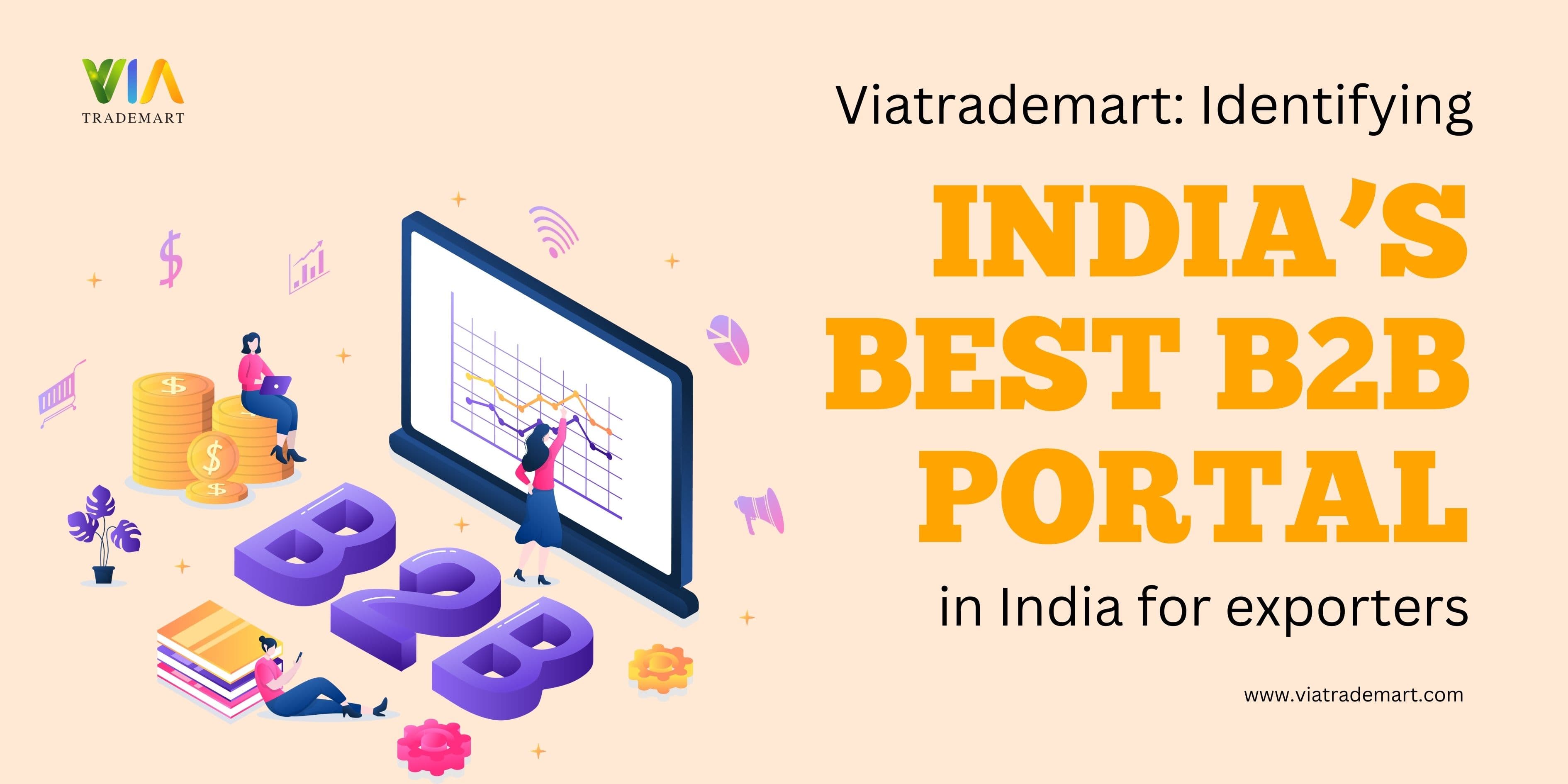
Why B2B Portals Are Becoming Essential in India’s Business Landscape
Organized and Transparent Marketplace
B2B portals bring structure to an otherwise fragmented wholesale market. Buyers can compare products, check seller ratings, evaluate prices, and make informed decisions without physical travel.
Wide Supplier Network
Manufacturers and wholesalers from every industry list their products on these portals, giving buyers massive choice and competitive pricing.
Quick Business Expansion for Sellers
Suppliers no longer depend on local buyers. They can reach national and global markets through digital listings, product catalogs, and automated order systems.
Reduced Operational Costs
Traditional business dealings required physical visits, manual documentation, and lengthy negotiations. B2B portals streamline everything digitally, reducing cost and time.
Trust and Verification
Most B2B portals verify sellers, display ratings, reviews, certifications, and trust badges. This builds confidence and reduces fraud.
Top Industries That Benefit from B2B Portals in India
The impact of B2B platforms is widespread across multiple sectors:
- Textiles & Apparel – bulk fabric, garments, accessories
- Electronics & Electricals – components, appliances, cables
- Agriculture & Food Products – grains, spices, fresh produce, machinery
- Industrial Machinery – tools, heavy equipment, parts
- Chemicals & Pharmaceuticals – raw materials, packaging
- Construction & Building Materials – cement, steel, hardware
- Automobile & Spare Parts – components, accessories
- Furniture & Home Decor – wholesale furniture, interior supplies
- Beauty & Personal Care – cosmetics, wellness products
Virtually every business category now has a massive presence online, making B2B trade more dynamic and efficient.
How B2B Portals Work: A Complete Breakdown
Understanding the functioning of a B2B portal helps businesses use it effectively.
Supplier Registration & Product Listing
Manufacturers and wholesalers sign up on the platform and showcase their products by adding key details like pricing, minimum order quantities, specifications, product images, delivery timelines, and certifications. Together, these details build a comprehensive online catalog that remains accessible to buyers around the clock.
Buyer Search & Inquiry System
Buyers can easily search for products using filters such as category, price range, location, supplier ratings, and minimum order quantity (MOQ). After finding the right match, they can send inquiries, request quotations, or even place orders directly through the platform.
Negotiation & Communication Tools
B2B portals provide in-platform messaging, quotation tools, and automated RFQs to simplify communication between buyers and sellers.
Order Placement & Tracking
Once negotiations are finalized, orders can be placed digitally with features such as real-time stock availability, instant order confirmation, dispatch notifications, and end-to-end shipment tracking. These tools eliminate manual follow-ups and ensure complete transparency throughout the process.
Secure Payment Solutions
Most platforms support secure payment methods like UPI, digital wallets, net banking, and escrow services. The escrow system offers an added layer of protection by releasing funds only after the buyer confirms successful delivery.
Logistics & Delivery Support
Many portals also offer logistics solutions, helping suppliers ship goods nationwide at lower costs.
Core Technologies Powering Modern B2B Portals
Digital B2B platforms leverage modern technologies to enhance speed, security, and overall performance.
- Artificial Intelligence (AI)
- AI powers intelligent buyer–seller matchmaking, personalized product recommendations, and automated customer assistance.
- Machine Learning (ML)
- ML models study buyer behavior, predict demand patterns, and help determine effective pricing strategies.
- Big Data & Analytics
- Advanced analytics provide actionable insights such as market trends, popular products, competitor analysis, and performance metrics for both buyers and sellers.
- Cloud Computing
- Cloud infrastructure enables large-scale data storage, rapid processing, and effortless scalability during high-traffic periods.
- Blockchain Security
- Some leading platforms use blockchain for secure transactions, smart contract management, and reliable identity verification.
- Mobile Optimization
- With a majority of Indian users browsing on smartphones, B2B platforms are fully optimized for mobile devices to ensure smooth navigation and seamless purchasing."
Business Models Used by B2B Portals in India
Different B2B portals adopt various business models depending on their target audience and service offerings. The most common models include:
- Subscription-Based Model
- Suppliers can subscribe to monthly or yearly plans to access premium features like featured product listings, advanced marketing and promotional packages, verified seller badges, and powerful lead-generation tools.
- Commission-Based Model
- The platform charges a fixed percentage on every transaction completed through the portal.
- Freemium Model
- Basic services are offered for free, while advanced tools and functionalities require paid upgrades.
- Lead-Based Model
- Buyers post their requirements, and suppliers can purchase relevant leads based on their product category.
- Hybrid Model
- A combined approach that includes subscription fees, commissions, and lead-based charges for diversified revenue.
Benefits of Using B2B Portals for Buyers
- Time-Saving Procurement
- Businesses can connect with numerous suppliers instantly, eliminating the need to visit physical markets.
- Competitive Pricing
- Real-time price comparisons make it easier to negotiate better deals and reduce purchasing costs.
- Verified and Trustworthy Sellers
- Built-in rating and verification systems help minimize risks and ensure safe, reliable transactions.
- Hassle-Free Reordering
- Saved order histories and automated recommendations streamline repeat purchases and frequent restocking.
Benefits of Using B2B Portals for Sellers
Business Expansion
- Reach customers nationwide and globally.
Zero Geographical Limits
- Trade anytime, anywhere.
Increased Brand Visibility
- Online catalogs boost exposure.
Higher Sales Opportunities
- Access new industries, retailers, wholesalers, and distributors.
Challenges Faced by B2B Portals and How They Overcome Them
Trust and Authenticity Issues
- Solution: Strict KYC verification, ratings, and secure payments.
Logistics Complications
- Solution: Integrated courier networks and tracking systems.
Data Security
- Solution: Encryption, firewalls, and secure server architectures.
Market Competition
- Solution: Better catalog management, marketing tools, and premium features.
Future of B2B Portals in India
The expansion of digital wholesale trade is accelerating rapidly, and the momentum is only expected to grow. In the coming years, the B2B ecosystem in India will witness major advancements such as predictive buying powered by AI, voice-enabled procurement tools, and seamless integration with global suppliers. Alongside these, smarter supply chain networks, automated negotiation systems, and highly personalized business dashboards will redefine how companies manage sourcing and distribution. With India moving deeper into digital transformation, B2B portals are set to become an indispensable pillar of procurement, sales operations, and long-term business growth strategies.
Conclusion
The growth of the B2B Portal in India marks a revolutionary shift in the way businesses operate, trade, and connect with each other. These digital platforms have opened the doors to transparent pricing, nationwide reach, verified suppliers, and streamlined operations — enabling manufacturers, wholesalers, and retailers to grow faster than ever before. As digital commerce continues to rise, companies that adopt B2B portals early will enjoy long-term competitive advantages, stronger customer networks, and greater business efficiency.
Contact:
Email: info@viatrademart.com